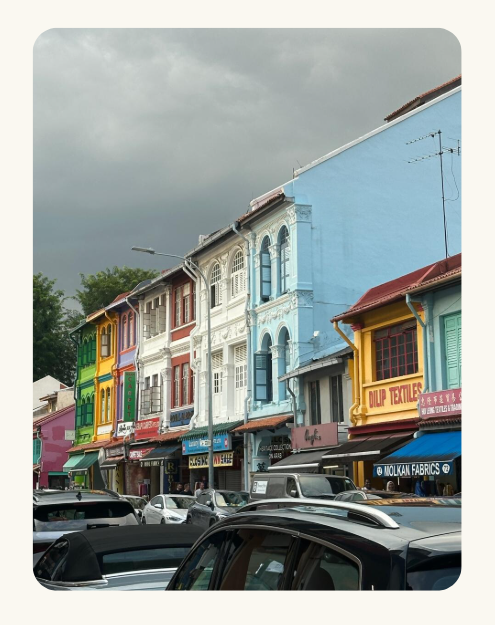
Find a busy street, secure a unit, and footfall will follow. In reality, the performance of a shophouse depends on far more than just how crowded the area is. Factors such as footfall demographics, street positioning, floor level, and unit visibility all play a critical role in determining whether a space truly supports your business.
Understanding these nuances can make the difference between a thriving outlet and an underperforming one.
High footfall does not always translate into strong business performance. What matters more is who the footfall consists of.
For example, Kampong Glam attracts tourists and lifestyle-driven crowds, making it ideal for cafés, boutiques, and experiential concepts. In contrast, Tanjong Pagar caters more to office professionals and expats, which supports higher-end dining, bars, and service-based businesses.
Each location brings a different audience profile and with it, different spending habits and expectations.
Even within the same district, not all streets perform equally.
Units located along main roads benefit from higher visibility, stronger branding opportunities, and greater walk-in traffic. On the other hand, inner lane units tend to rely more on destination traffic, repeat customers, and brand recognition.
Businesses that depend heavily on impulse visits may struggle in less visible locations, while niche or appointment-based concepts can perform well off the main street.
The level of the unit significantly impacts accessibility and customer behaviour.
Ground floor units capture spontaneous footfall and maximise visibility, making them highly suitable for retail and F&B concepts. However, they also command higher rental rates.
Upper floor units, while more cost-efficient, depend on intentional visits. These spaces are better suited for businesses such as offices, beauty services, wellness studios, or concepts with an existing customer base.
Corner shophouse units are often priced higher and for good reason.
With dual frontage, these units offer increased visibility, better natural light, and enhanced branding opportunities. This additional exposure can significantly improve a brand’s presence, particularly for flagship stores or businesses that rely on visual appeal.
As a result, corner units tend to be in higher demand and lease faster.
A common misconception is that the most crowded location will automatically deliver the best results.
In practice, the most effective location is one that aligns with your business concept, target audience, and price positioning. A mismatch even in a high-traffic area, can lead to poor performance.
The key is not just visibility, but relevance.
Selecting the right shophouse is a strategic decision that goes beyond availability or popularity.
From understanding footfall demographics to evaluating street positioning and unit characteristics, each factor contributes to how a space performs over time.
Ultimately, the goal is to secure a location that aligns with your brand’s identity and growth plans — not simply the busiest address.
At Allshophouses, we work closely with brands to identify spaces that match their concept, target market, and long-term strategy.
If you’re considering your next location, feel free to reach out to explore suitable opportunities.