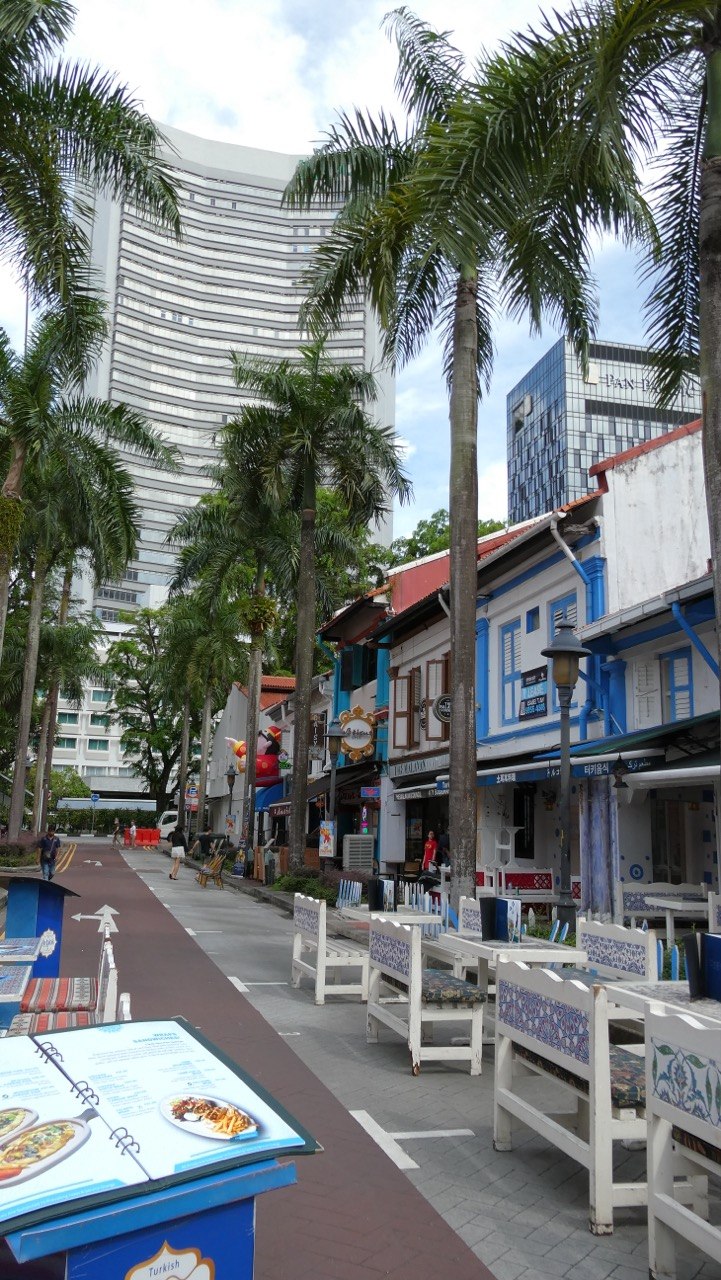
In Singapore’s shophouse market, rental numbers often dominate conversations.
Higher rent is usually seen as a win — a sign of demand, strength, and rising value. But on the ground, the reality is often more complicated.
Some of the strongest-performing shophouse clusters are not necessarily the ones pushing the highest rents. They are the ones with the healthiest tenant ecosystems.
That distinction matters more than many people realise.
We’ve seen situations where landlords focus heavily on securing the highest possible offer, without fully considering whether the business can realistically sustain itself in that location long-term.
At first glance, the deal may look attractive.
But in many cases, the highest-paying tenant is not always the strongest tenant. Sometimes, they are simply the most aggressive — or the most desperate — to secure space.
When a business overcommits on rent, something else usually gets sacrificed later:
Over time, these pressures start showing.
And when the business struggles, the impact rarely stays contained within that individual unit.
In tightly connected shophouse clusters like Kampong Glam, tenant quality shapes the energy of the entire street.
A poorly matched tenant can quietly weaken an otherwise strong location.
Vacancies increase footfall gaps. Frequent turnover affects customer confidence. Constant reinstatement works disrupt neighbouring businesses. And over time, the street loses consistency and identity.
That is why experienced landlords often think beyond immediate rental figures.
The goal is not simply to fill a space.
The goal is to strengthen the long-term positioning of the asset and the surrounding tenant ecosystem.
Good landlords typically study more than just the rental offer.
They assess:
This is especially important in lifestyle districts where brand positioning, street culture, and customer behaviour matter just as much as raw foot traffic.
A strong tenant is not always the one offering the highest number today.
Sometimes, the better tenant is the one still performing three years later.
The best-performing shophouse clusters tend to develop naturally around complementary businesses.
Cafés support retail traffic. Wellness concepts support lifestyle destinations. Restaurants create evening movement. Boutique operators build repeat visitors and destination value.
Over time, these ecosystems create stronger and more resilient streets.
That kind of long-term value is difficult to measure purely through headline rent.
Shophouse leasing is about more than occupancy.
It is about protecting long-term value, preserving street identity, and building sustainable tenant ecosystems that allow both landlords and businesses to perform over time.
Short-term rental maximisation and long-term asset strength are not always the same thing.
And in many cases, the strongest locations are built not by chasing the highest offer — but by choosing the right tenant.
Insights based on market observations and industry trends within Singapore’s shophouse landscape.